Don Smith was raised in Richmond and attended UVA. His mother was born in a cabin outside of Lexington, Virginia--a cabin her grandfather, a veteran of the 14th Virginia Calvary, built after the Civil War.
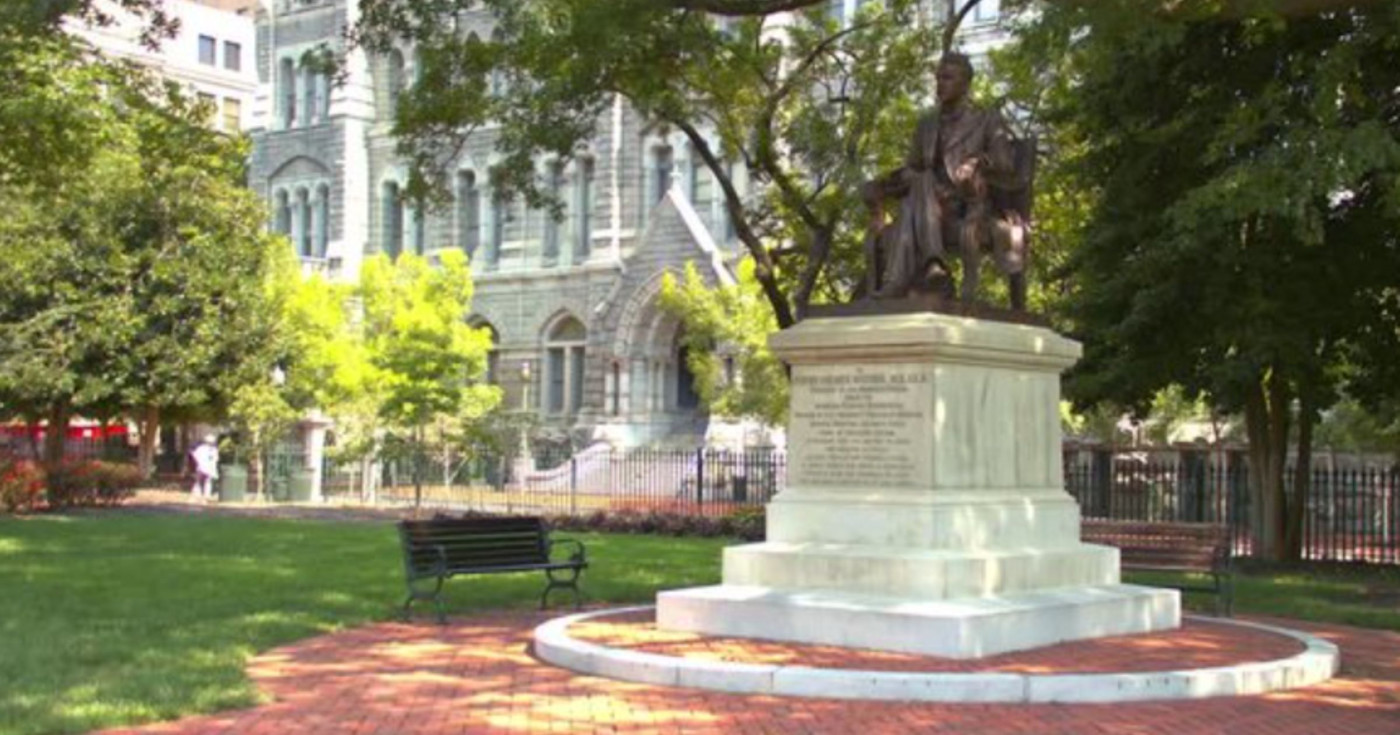
Thomas J., “Stonewall” Jackson, was unique in many ways.
He came from a disadvantaged background. He lost his parents in his childhood and was raised by an indifferent uncle. He was dirt-poor. He represents the vast majority of Virginians in the 1900s, who had to work hard just to stay alive. He was not a “First Family of Virginia” Cavalier.
He was a self-made man. Jackson was ranked at the very bottom of his class when he entered West Point. He was one of the worst-performing students in his plebe class. Yet, through sheer will and incredibly hard work, he eventually graduated near the top of his class, especially in mathematics. While teaching at VMI, he invested wisely and made himself into a relatively prosperous man. He did not inherit huge plantations or sums of wealth.
His battlefield exploits were extraordinary. Stonewall Jackson was, and still is, one of America’s most accomplished battlefield generals. This is from the cover of Rebel Yell, a biography of Jackson written by S.C. Gwynne. Gwynne was a bureau chief and senior editor for Time magazine, and a Pulitzer Prize finalist:
In April 1862 Jackson was merely another Confederate general fighting for what seemed to be an increasingly desperate cause. By June he had engineered perhaps the greatest military campaign in American history and was one of the most famous men in the Western world. Jackson’s strategic innovations shattered the conventional wisdom of how war was waged: he was so far ahead of his time that his techniques would be studied generations in the future.”
During World War II, George Patton told Eisenhower that he wanted to be Ike’s Stonewall Jackson. Marine hero Chesty Puller carried a biography of Stonewall with him. Garnet Wolsey, who later commanded the British Army in the late 19th century, interviewed Jackson n 1862, and later wrote this about him: ”With such a leader men would go anywhere, and face any amount of difficulties; and for myself, I believe that, inspired by the presence of such a man, I should be perfectly insensible to fatigue, and reckon upon success as a moral certainty.”
His support for African-Americans, given the times he lived in, was extraordinary. Jackson founded, funded and operated a Sunday School for slaves, at a time when (a) it was illegal to help slaves learn to read and write in Virginia and (b) many whites remembered the deadly Nat Turner raid in the 1830s. Prominent Lexington citizens threatened Jackson with legal action if he kept the school open---and Jackson refused! He put himself and his family at personal, financial and professional risk for African-Americans. Jackson’s Civil War service was, first and foremost, for Virginia. Personally, Jackson opposed secession. But he was loyal to his state---Virginia was, in his mind and heart, his country.
 Cardinal News